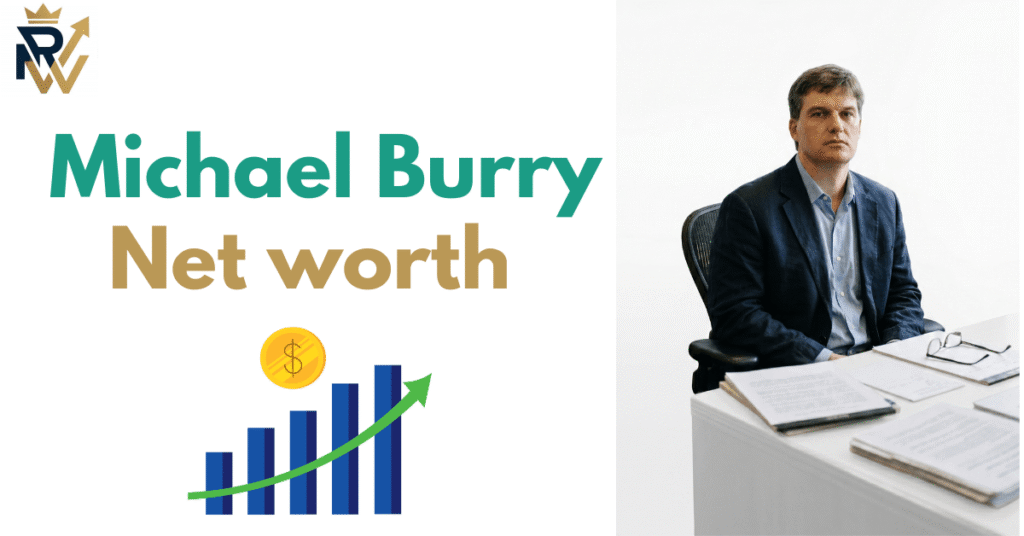
Michael Burry is a renowned American investor, hedge fund manager, and former physician best known for his prescient bet against the U.S. housing market before the 2008 financial crisis. His story was immortalized in the bestselling book and Oscar-winning film The Big Short, where Christian Bale portrayed his analytical, contrarian style. Burry founded and managed Scion Capital (later Scion Asset Management), building a reputation for deep-value investing, rigorous research, and bold macroeconomic calls that have influenced markets and retail investors alike.
He maintains a significant social media presence on X (formerly Twitter) under @michaeljburry, where his often blunt, data-driven commentary on markets, bubbles, and economic trends draws widespread attention. As a self-taught investor with a medical background, Burry represents a unique blend of intellectual rigor and entrepreneurial independence in the finance world.
As of 2026, Michael Burry’s estimated net worth is $300 million.
Net Worth Overview
| Attribute | Details |
|---|---|
| Full Name | Michael James Burry |
| Profession | Investor, Hedge Fund Manager, Licensed Physician |
| Nationality | American |
| Date of Birth | June 19, 1971 |
| Age | 55 |
| Height | Approximately 5’8″ |
| Education | B.A. in Economics from UCLA; M.D. from Vanderbilt University School of Medicine |
| Company / Business | Scion Asset Management (founder) |
| Social Media | X (@michaeljburry) |
| Followers | Over 1.8 million |
| Net Worth | $300 million |
| Income Sources | Hedge fund performance, personal investments, speaking/media influence |
Estimation of Net Worth
Michael Burry’s wealth stems primarily from his extraordinary success in value investing and macroeconomic forecasting. His landmark short positions against subprime mortgages in the mid-2000s generated substantial personal profits—reportedly around $100 million for himself—while delivering massive returns to his investors.
Beyond the 2008 windfall, Burry has continued to manage capital through Scion, focusing on concentrated bets in undervalued assets, commodities like gold, water rights, farmland, and selective equity positions. His fund’s assets under management have fluctuated, but his personal portfolio benefits directly from high-conviction trades. Market observers estimate his net worth in the $200–300 million range based on public filings, historical performance, and the scale of his operations.
While Burry is not heavily involved in traditional celebrity endorsements or social media sponsorships, his influential online presence amplifies his brand. His tweets can move markets, indirectly supporting his investment edge and opportunities. Wealth estimation considers performance fees from earlier fund years, personal trading gains, and conservative growth from diversified holdings. As a private individual who closed his public fund vehicle in late 2025 to focus on personal ventures, exact figures remain estimates derived from industry analysis and disclosed positions.
Income Sources
1. Main Business / Profession Income Michael Burry’s core income has long come from hedge fund management and proprietary trading. He launched Scion Capital in 2000 with modest capital from family loans and inheritance, quickly attracting investors through exceptional returns driven by thorough fundamental analysis. After the 2008 success, he briefly closed the fund to manage personal money before reopening Scion Asset Management. Even after deregistering the public vehicle in 2025, his expertise in spotting mispricings in equities, credit, and macro trends continues to generate substantial returns on his own capital. This professional income includes performance-based gains from long-term holdings in sectors he believes offer asymmetric opportunities.
His transition from medicine to full-time investing demonstrates a high-stakes entrepreneurial mindset. Revenue from asset management fees in peak years, combined with personal portfolio appreciation, forms the foundation of his wealth. Burry’s approach emphasizes patience and deep research, allowing compounding over decades.
2. Sponsorships / Brand Deals While not a traditional influencer seeking brand partnerships, Burry’s thought leadership creates indirect monetization. His X account, with millions of followers, positions him as a go-to voice in finance circles. This visibility has led to media appearances, documentary features, and cultural impact through The Big Short, which boosted his personal brand without formal endorsement deals. Any speaking engagements or advisory roles likely command premium fees given his track record. His authenticity and reluctance for mainstream publicity enhance his value to serious investors rather than mass-market sponsors.
3. Investments / Other Ventures Burry’s personal investments span equities, real assets, and contrarian plays. He has held positions in areas like water, gold, farmland, and select stocks, often betting against overhyped trends (such as AI bubbles in recent years). These ventures provide capital appreciation and diversification. His early adoption of value strategies and timely exits have multiplied wealth significantly. Additional income may come from legacy fund performance or family office-style structures post-2025. Burry’s investments reflect a disciplined, research-intensive process that minimizes speculation while maximizing long-term upside.
Career and Success
Michael Burry’s journey began unconventionally. Born in San Jose, California, he overcame early health challenges, including the loss of an eye to childhood cancer. He pursued economics at UCLA before earning his M.D. from Vanderbilt University and completing a neurology residency at Stanford. Despite a promising medical career, his passion for numbers and markets—fueled by self-study and online forums—led him to leave medicine in 2000 and found Scion Capital.
Burry’s early success came from identifying undervalued opportunities in the dot-com era and beyond. His prescient analysis of the housing market bubble, detailed through exhaustive review of mortgage data, resulted in massive profits when the crisis hit. This achievement not only secured his financial independence but cemented his legacy as a visionary investor. Post-2008, he continued refining his strategy, reopening Scion, and making selective public bets that kept him in the spotlight.
Burry’s public influence extends through social media and popular culture. His willingness to challenge consensus views has inspired a new generation of retail investors while earning respect from Wall Street peers. His personal branding centers on intellectual honesty, data obsession, and independence—qualities that resonate in an era of market hype. Achievements like profiting from the subprime collapse and consistent outperformance in niche areas underscore a career defined by conviction over conformity.
Personal Life
Michael Burry maintains a relatively private personal life despite his public profile. He lives in Saratoga, California, and has been married twice, currently with his second wife. He is a father to two adult sons, one of whom shares a diagnosis on the autism spectrum with Burry himself, who was diagnosed with Asperger’s Syndrome in his mid-30s. Family remains a central anchor amid his demanding analytical work.
His lifestyle reflects a preference for intellectual pursuits over extravagance. Known for a focused, somewhat reclusive demeanor, Burry balances market research with personal interests like music. Relationship status details are kept low-key, aligning with his overall approach to privacy. He has voiced opinions on broader societal issues, including skepticism toward certain public policies, but prioritizes family and independent thinking.
FAQ Section
What is Michael Burry’s net worth?
As of 2026, Michael Burry’s net worth is estimated at $300 million, built primarily through successful hedge fund management and high-conviction personal investments.
How does Michael Burry make money?
Burry generates income through proprietary trading and investment gains via Scion entities, strategic positions in undervalued assets, and the influence of his market commentary. His wealth compounds from long-term value investing rather than short-term speculation or widespread commercial deals.